
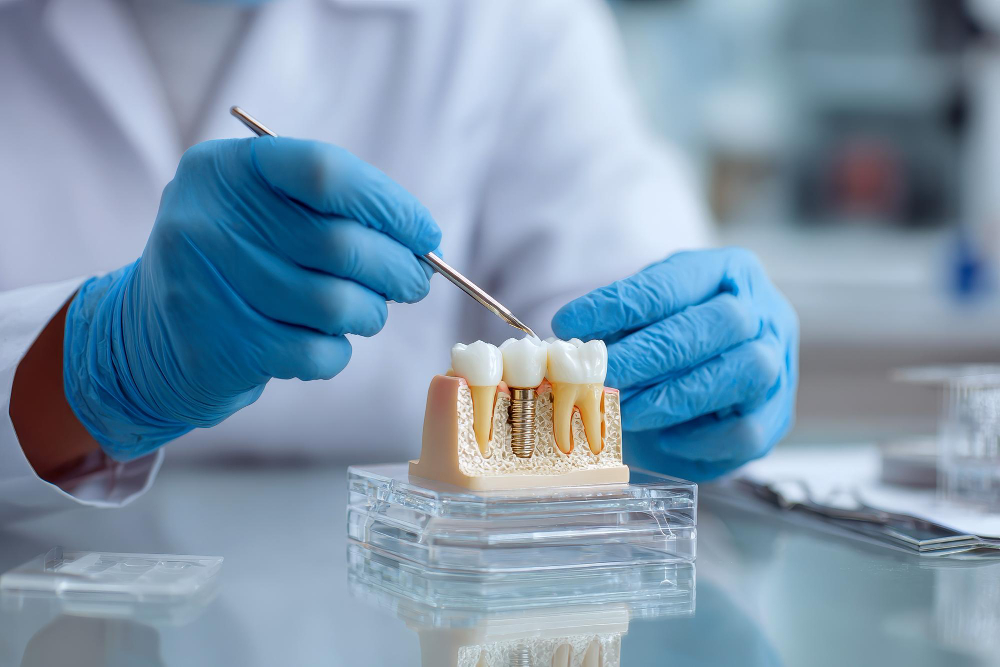
What Are Dental Implants?
Dental implants are small metal posts that replace missing teeth. Dentists place them into your jawbone. Over time, the bone grows around the implant. This creates a strong base for a new tooth. Because dental implants look and feel like real teeth, many people choose them. According to the American Dental Association, dental implants are a safe and long-lasting option for tooth replacement.
Benefits of Dental Implants
Dental implants offer many advantages over other tooth replacement options. For example, they:
Additionally, dental implants do not require support from nearby teeth. This helps protect your natural teeth.
Who Is a Good Candidate?
Not everyone is a good candidate for dental implants. However, you may be a good fit if you:
Still, some health conditions may affect healing. For instance, people with uncontrolled diabetes or certain bone diseases may need special care. Always talk to your dentist about your health before starting the dental implant procedure.
The Dental Implant Procedure: Step-by-Step
The dental implant procedure usually takes several steps. Here is what you can expect:
Because healing takes time, the whole process may last several months. However, the results are often worth the wait.
Risks and Possible Complications
Like any surgery, dental implants have some risks. Still, most people have no serious problems. Possible dental implant risks include:
Although these issues are rare, your dentist will discuss them with you. Choosing a skilled dentist can lower your risk. According to the CDC, following aftercare instructions also helps prevent problems.
Aftercare and Recovery Tips
Proper dental implant aftercare is important for healing. Here are some tips to help you recover:
With good care, dental implants can last for many years. If you notice pain, swelling, or other problems, contact your dentist right away.
Frequently Asked Questions
Are dental implants safe?
Yes, dental implants are safe for most people. Many studies show they have a high success rate. However, risks exist, so always discuss your health with your dentist.
How long do dental implants last?
With proper care, dental implants can last 10 years or more. Some people keep them for life.
Does the dental implant procedure hurt?
Most people feel little pain during the dental implant procedure. Dentists use anesthesia to keep you comfortable. Some soreness after surgery is normal but usually goes away in a few days.
How do I care for my dental implants?
Brush and floss daily, avoid smoking, and see your dentist for regular check-ups. Good dental implant aftercare keeps your implants healthy.
Conclusion
Dental implants can restore your smile and improve your quality of life. Because every person is different, it is important to get advice from a professional. Consult a qualified dentist at Gunturu Narayana to find out if dental implants are right for you.