
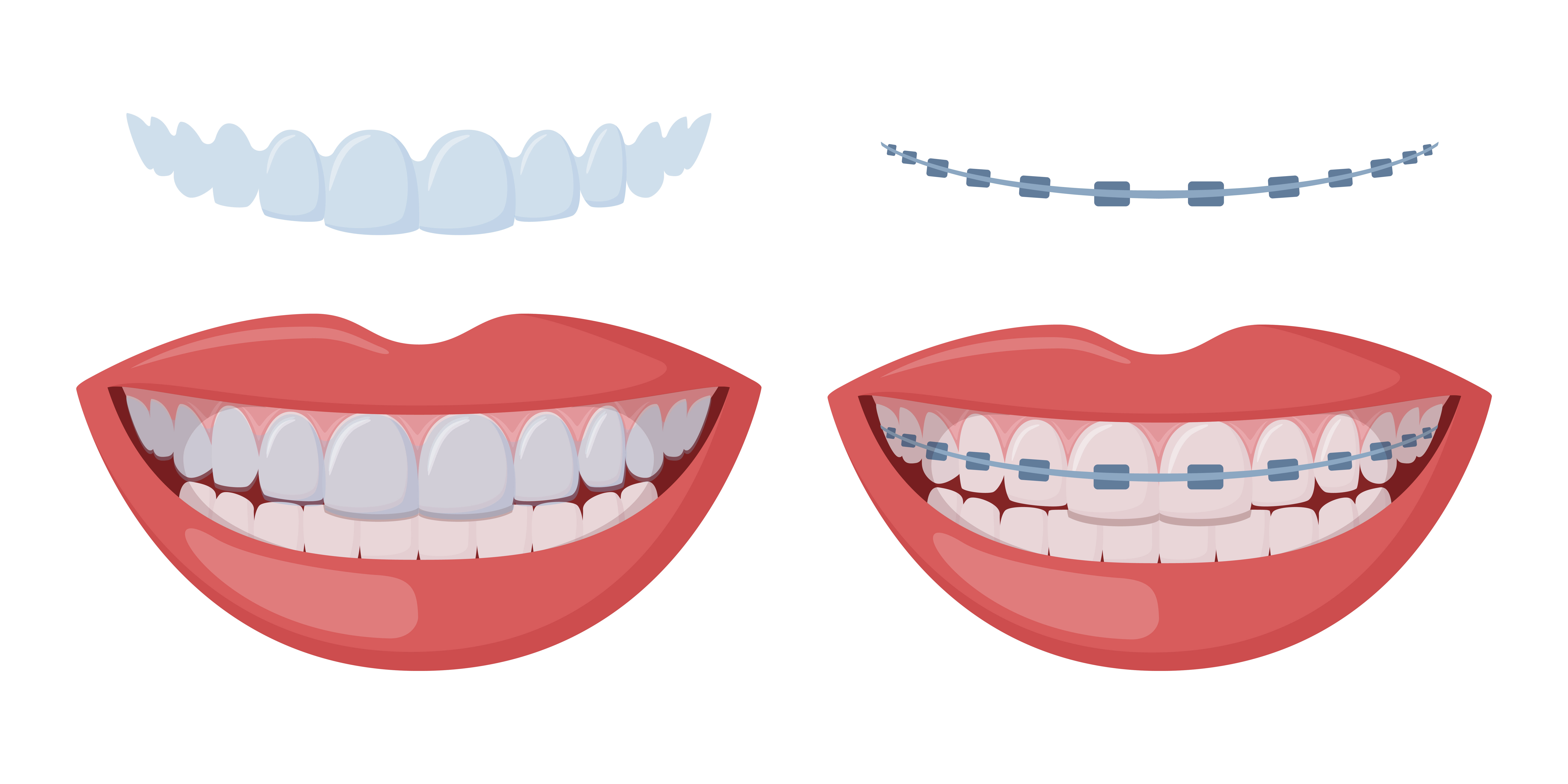
Choosing between dental braces and clear aligners can feel confusing. Both options help straighten teeth and improve your smile. However, each method has unique features. Understanding the differences between dental braces vs clear aligners is important. This knowledge helps you pick the best orthodontic treatment for your needs. In this blog, we will explain what each option is, compare their benefits, and offer tips for making the right choice.
What Are Dental Braces?
Dental braces are traditional tools used to straighten teeth. They use metal or ceramic brackets attached to each tooth. Wires connect these brackets and gently move teeth into place. Sometimes, small rubber bands are added for extra support. Braces are often chosen for complex dental problems. According to the American Dental Association, braces are safe and effective for many ages.
What Are Clear Aligners?
Clear aligners are a modern way to straighten teeth. They are made from clear, smooth plastic. Unlike braces, aligners are removable. You wear a set of custom-made trays that fit over your teeth. Every few weeks, you switch to a new set. This slowly moves your teeth into the right position. Many people like clear aligners because they are nearly invisible. The CDC notes that aligners are popular for adults and teens who want a discreet option.
Key Differences Between Braces and Aligners
Pros and Cons of Dental Braces
Dental braces have been used for many years. They work well for many dental issues. But, like any treatment, they have pros and cons.
Pros and Cons of Clear Aligners
Clear aligners are a newer choice. They offer many benefits, but also have some drawbacks.
Who Should Consider Braces or Aligners?
Not everyone is a good fit for both options. For example, dental braces are better for children or people with severe tooth problems. On the other hand, clear aligners work well for mild to moderate cases. Teens and adults often prefer aligners for their invisible look. However, your orthodontist will help decide which is best for you.
Cost Comparison and Treatment Duration
Cost is a big factor for many families. Traditional braces often cost less than clear aligners. However, prices vary by case and location. According to the American Dental Association, braces can cost between $3,000 and $7,000. Clear aligners may range from $4,000 to $8,000. Treatment time also differs. Braces usually take 18 to 36 months. Aligners may take 12 to 24 months for mild cases. Still, every smile is unique, so times can change.
Lifestyle and Maintenance Tips
Both treatments need good care. But, they fit different lifestyles. For example, braces need careful brushing and flossing. You must avoid sticky or hard foods. Aligners need to be removed before eating or drinking anything but water. You must clean them daily. Here are some tips:
How to Decide: Factors to Consider
Choosing between dental braces and clear aligners depends on your needs. Consider these factors:
Always talk to a licensed orthodontist. They can guide you based on your teeth and lifestyle.
Prevention and Oral Health Tips During Treatment
Keeping your mouth healthy during treatment is key. For example, brush twice a day and floss daily. Use a soft toothbrush to avoid hurting your gums. Rinse with water after meals. If you wear braces, use special flossers to clean around wires. For aligners, clean trays daily to prevent bacteria. Visit your dentist for regular cleanings. Good habits help prevent cavities and gum disease while your teeth move into place.
In summary, both dental braces and clear aligners can give you a healthy, straight smile. However, each has unique pros and cons. Consult a licensed orthodontist Dr. Gunturu Narayana at Apex dental to find the best treatment option for your smile.