
What is Tooth Sensitivity?
Tooth sensitivity is a common dental problem. It causes sharp pain or discomfort in one or more teeth. Often, this pain happens when you eat or drink something hot, cold, sweet, or sour. Many people wonder how to treat sensitive teeth and what causes this issue. Tooth sensitivity can affect anyone, but it is treatable and preventable.
Common Symptoms
Tooth sensitivity symptoms can vary. However, most people notice pain or discomfort in certain situations. For example, you may feel a sudden, sharp pain when:
Sometimes, the pain is mild. But in other cases, it can be severe and last for several seconds.
Main Causes
There are several tooth sensitivity causes. Understanding these can help you prevent discomfort. Some common reasons include:
In hot climates, drinking cold drinks often may also trigger tooth sensitivity. Therefore, it is important to protect your teeth from damage.
Diagnosis Methods
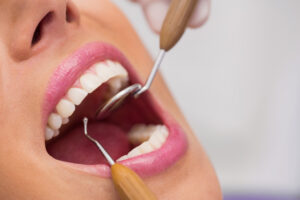
If you have sensitive teeth, a dentist can help find the cause. First, your dentist will ask about your symptoms. Next, they will examine your teeth and gums. Sometimes, they may use special tools to check for weak spots or exposed roots. In some cases, X-rays help find hidden problems, such as cavities or cracks. Early diagnosis makes it easier to treat tooth sensitivity.
Effective Treatments
There are many ways to treat sensitive teeth. Your dentist may suggest one or more of the following:
In addition, your dentist may recommend avoiding acidic foods and drinks. According to the American Dental Association, these steps can reduce pain and protect your teeth.
Prevention Tips
Preventing tooth sensitivity is possible. Here are some simple tips:
By following these steps, you can lower your risk of tooth sensitivity. In addition, you will keep your teeth and gums healthy.
When to See a Dentist
Sometimes, tooth sensitivity does not go away on its own. If your pain lasts more than a few days, it is time to see a dentist. Also, if you notice swelling, bleeding, or a cracked tooth, seek help right away. Early treatment can prevent more serious dental problems.
If you experience persistent tooth sensitivity, consult a dentist Gunturu Narayana for personalized advice.