What Are Dental Caries?
Dental caries, also known as tooth decay or cavities, are one of the most common dental problems worldwide. In simple terms, dental caries are holes or soft spots in the teeth caused by bacteria. These bacteria feed on sugars in your food and produce acids. Over time, these acids can damage the hard surface of your teeth. As a result, you may develop cavities. According to the World Health Organization (WHO), dental caries affect people of all ages. Early detection and care are important for a healthy mouth.
Causes of Dental Caries
Many factors can lead to dental caries. However, the main cause is the buildup of plaque. Plaque is a sticky film of bacteria that forms on your teeth. When you eat sugary or starchy foods, bacteria in plaque turn these foods into acids. Over time, these acids can break down tooth enamel. In addition, poor oral hygiene, dry mouth, and frequent snacking can increase your risk. Some people may also have a higher risk due to genetics or certain health conditions.
Common Symptoms
At first, dental caries may not cause any pain. But as the cavity grows, you may notice signs of dental caries. For example, you might feel tooth sensitivity or pain when eating sweet, hot, or cold foods. Sometimes, you may see visible holes or dark spots on your teeth. If the decay gets worse, you could develop a toothache or swelling. Early treatment can help prevent serious problems.
How Dental Caries Are Diagnosed
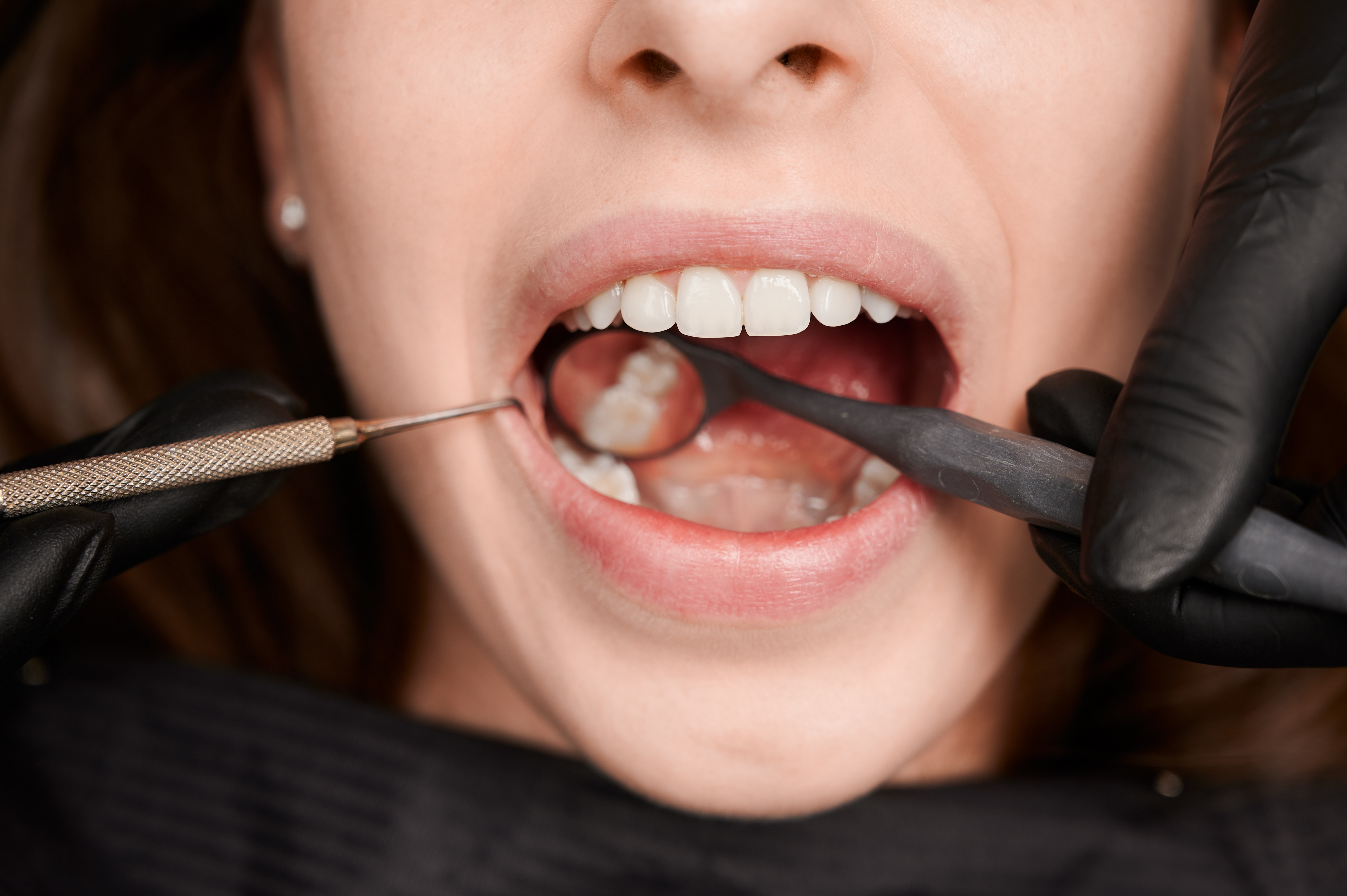
Dentists can spot dental caries during a regular check-up. First, they will look at your teeth and gums. Then, they may use a small mirror and dental tools to check for soft spots or holes. Sometimes, dentists use X-rays to find cavities that are not visible to the eye. Early diagnosis is key to stopping tooth decay before it gets worse. If you live in a city with many dental clinics, such as New York or Los Angeles, you can easily find a dentist for a check-up.
Treatment Options
Treatment for dental caries depends on how much the tooth is damaged. For small cavities, your dentist may suggest a simple filling. This involves removing the decayed part and filling the hole with a special material. If the decay is deeper, you might need a crown or root canal. In severe cases, the tooth may need to be removed. However, early treatment can save your tooth and prevent pain.
Prevention Tips
Preventing dental caries is easier than treating them. First, brush your teeth twice a day with fluoride toothpaste. Next, floss daily to remove food and plaque between teeth. Also, limit sugary snacks and drinks. Regular dental check-ups help catch problems early. For those at higher risk, dentists may suggest extra fluoride or dental sealants. The Centers for Disease Control and Prevention (CDC) recommends these steps for tooth decay prevention.
Lifestyle and Oral Hygiene Guidance
Good oral hygiene and healthy habits can protect your teeth. For example, always use a soft-bristled toothbrush and replace it every three months. In addition, avoid smoking and limit alcohol, as these can harm your teeth and gums. If you play sports, wear a mouthguard to protect your teeth. Remember, teaching children about proper brushing and healthy eating can help prevent dental caries from a young age.
In summary, dental caries are common but preventable. Early care and good habits can keep your smile healthy. Consult at Gunturu Narayana for personalized advice on dental caries prevention and treatment.